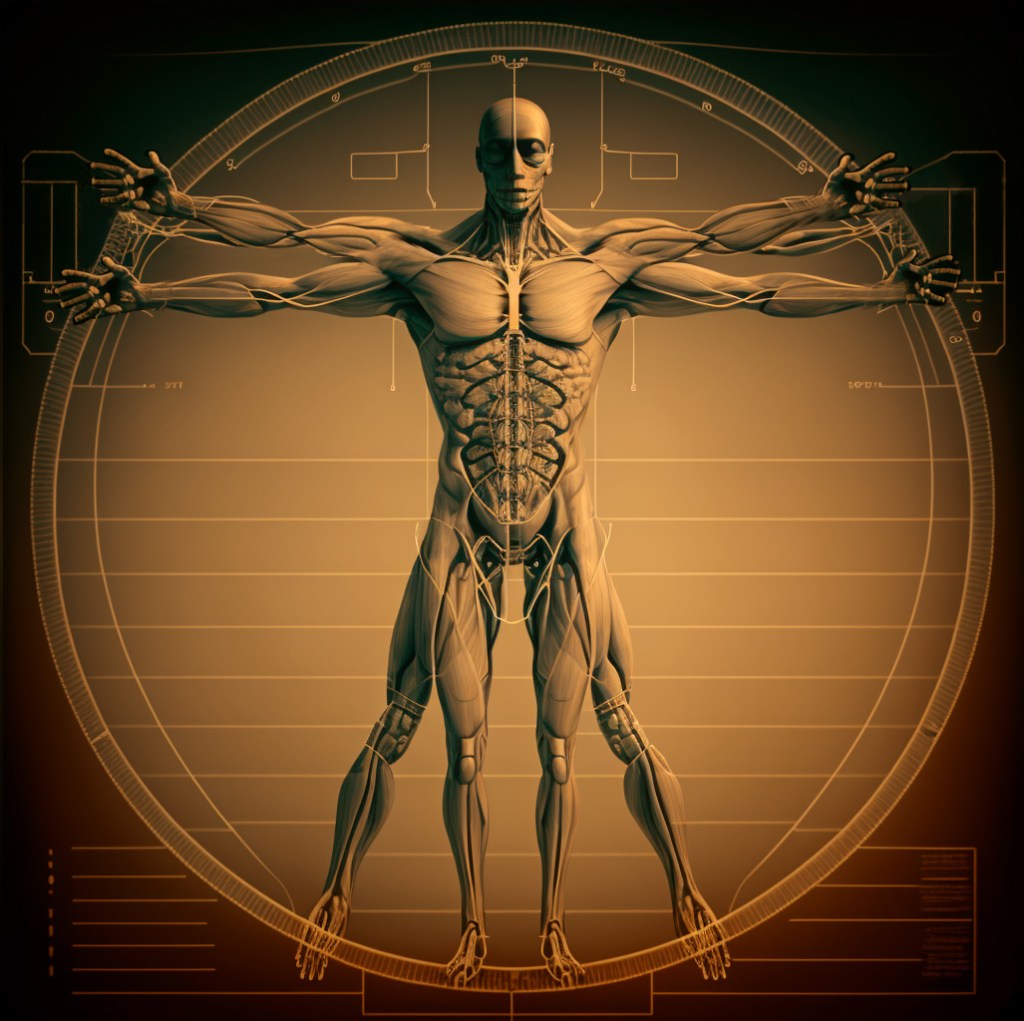
In the ever-changing world of art, the rise of AI-generated art has ignited a remarkable transformation, redefining our understanding of art and the creative process. This novel medium presents opportunities for numerous individuals who previously encountered difficulties expressing their artistic visions due to constraints in conventional methods.
The evolution of art has been punctuated by groundbreaking innovations, such as the invention of the camera, which revolutionized our capacity to immortalize moments. The era of digital photography, initially greeted with skepticism, has now become the norm, and advances like mirrorless cameras have rendered the art form increasingly accessible. AI-generated art marks the next phase in this progression, granting people a virtual brush to manifest their ideas. However, embracing this new technology comes with its own set of challenges and concerns.
In his thought-provoking essay „The Uncanny“ from 1919, Sigmund Freud explored the notion of the „uncanny“ in relation to art and aesthetics. Freud’s insights offer a valuable perspective on the reactions some people might have towards AI-generated art. The uncanny occurs when something familiar takes on a strange, unsettling quality, often due to its close resemblance to the original.
AI-generated art, which pushes the boundaries of traditional art and creativity, may evoke this uncanny feeling in some, as it blurs the distinction between human creativity and machine-produced work. This discomfort could prompt a debate around AI-generated art, with some arguing that its nature undermines the authenticity and value of art created by humans.
Critics contend that AI-generated art lessens the role of the artist and the creative process, reducing art to a display of technical skill rather than a genuine expression of human emotion and experience. From this perspective, the uncanny quality of AI-generated art serves as a reminder of the importance of preserving the human touch in the creative process and the potential risks of depending too heavily on technology for our artistic pursuits.
While acknowledging the concerns around the uncanny nature of AI-generated art, it’s essential to recognize the transformative potential of this technology. Like photography, which enabled the preservation of images without relying on painting skills, AI-generated art democratizes the creative process. It invites those who may have felt discouraged by their inability to master traditional techniques to explore their artistic potential.
In other words, AI technology empowers individuals by removing barriers to entry in the world of art and levels the playing field in artistic expression, making it more inclusive and accessible to a wider audience.
The impact of AI-generated art extends beyond the confines of the art world, inspiring a new generation to unleash their creativity. As more people engage with this new medium, we can anticipate a ripple effect across various disciplines, from science to technology.
Children growing up with AI-generated art technology will be more creative and expand this into other areas. Just consider the impact of exposure to new technologies on previous generations; For instance, children who grew up during the digital revolution have become more adept at leveraging technology in various aspects of their lives. This familiarity with technology has led to the emergence of new industries, innovative solutions, and creative approaches to problem-solving.(4,5,6)
Similarly, by growing up with AI-generated art technology, children will be well-versed in using AI as a creative tool. This early exposure can stimulate their imagination and foster an environment in which they are encouraged to think outside the box. In turn, this enhanced creativity can be applied across various disciplines, leading to advancements in science, technology, engineering, and other fields like the invention of photography not only transformed the world of visual arts but also led to advancements in journalism, advertising, and science through more accurate documentation of events and findings. Similarly, the digital revolution has had an impact on various fields, including education, healthcare, and communication, by making information more accessible and shareable.
The boundless potential unlocked by AI-generated art will undoubtedly shape the trajectories of countless lives and contribute to an exciting future.
In conclusion, the emergence of AI-generated art signifies a transformative moment in the history of art and human creativity. By providing a platform for those who have struggled with conventional artistic methods, AI-generated art offers a new way to express oneself and fosters a spirit of innovation that will reverberate through generations to come.
Appendix:
- Marshall McLuhan, a Canadian philosopher and media theorist, coined the term „the medium is the message“ in his book „Understanding Media: The Extensions of Man“ (1964). McLuhan argued that the medium through which we receive information is just as important as the content itself. This idea can be applied to AI-generated art, suggesting that the technology used to create art influences the way we perceive and engage with it.
- In his book „The Work of Art in the Age of Mechanical Reproduction“ (1935), German philosopher Walter Benjamin explored the impact of technology on art, particularly on how art was reproduced and consumed. Benjamin’s ideas about the democratization of art through technology can be applied to AI-generated art, as it allows more people to create and engage with art forms previously inaccessible to them.
- „The Technological Society“ (1954) by French philosopher Jacques Ellul examines the pervasive influence of technology on various aspects of human life, including art and culture. His work can be seen as a precursor to the discussion on AI-generated art, as it raises questions about the role of technology in the creative process and its impact on society.
- Clements, D. H., & Sarama, J. (2003). Strip mining for gold: Research and policy in educational technology—A response to “Fool’s Gold.” AACE Journal, 11(1), 7-69. This study addresses the use of technology in education and its effects on children’s cognitive development. The authors argue that technology, when used appropriately, can enhance problem-solving skills, critical thinking, and creativity in young learners.
- Wenglinsky, H. (2005). Using technology wisely: The keys to success in schools. Teachers College Press. In this book, Wenglinsky examines the relationship between technology use in schools and student outcomes. The author found that when technology is used effectively, it can improve students‘ problem-solving abilities, communication skills, and creativity.
- Bers, M. U., & Horn, M. S. (2010). Tangible programming in early childhood: Revisiting developmental assumptions through new technologies. In I. R. Berson & M. J. Berson (Eds.), High-tech tots: Childhood in a digital world (pp. 49-70). Information Age Publishing. This study explores the use of tangible programming tools in early childhood education and their impact on children’s cognitive development. The authors found that exposure to such tools can enhance young children’s problem-solving skills, critical thinking abilities, and creativity.
Below are links to my photography and also my digital art instagram profiles, i would love to hear from you and maybe say something about my work.
https://www.instagram.com/manuel_andreas_photography/
https://www.instagram.com/thesyntheticprophet/
you can also visit my store for digital downloads of my artworks at:
 Manuel Andreas Media
Hinterlasse einen Kommentar